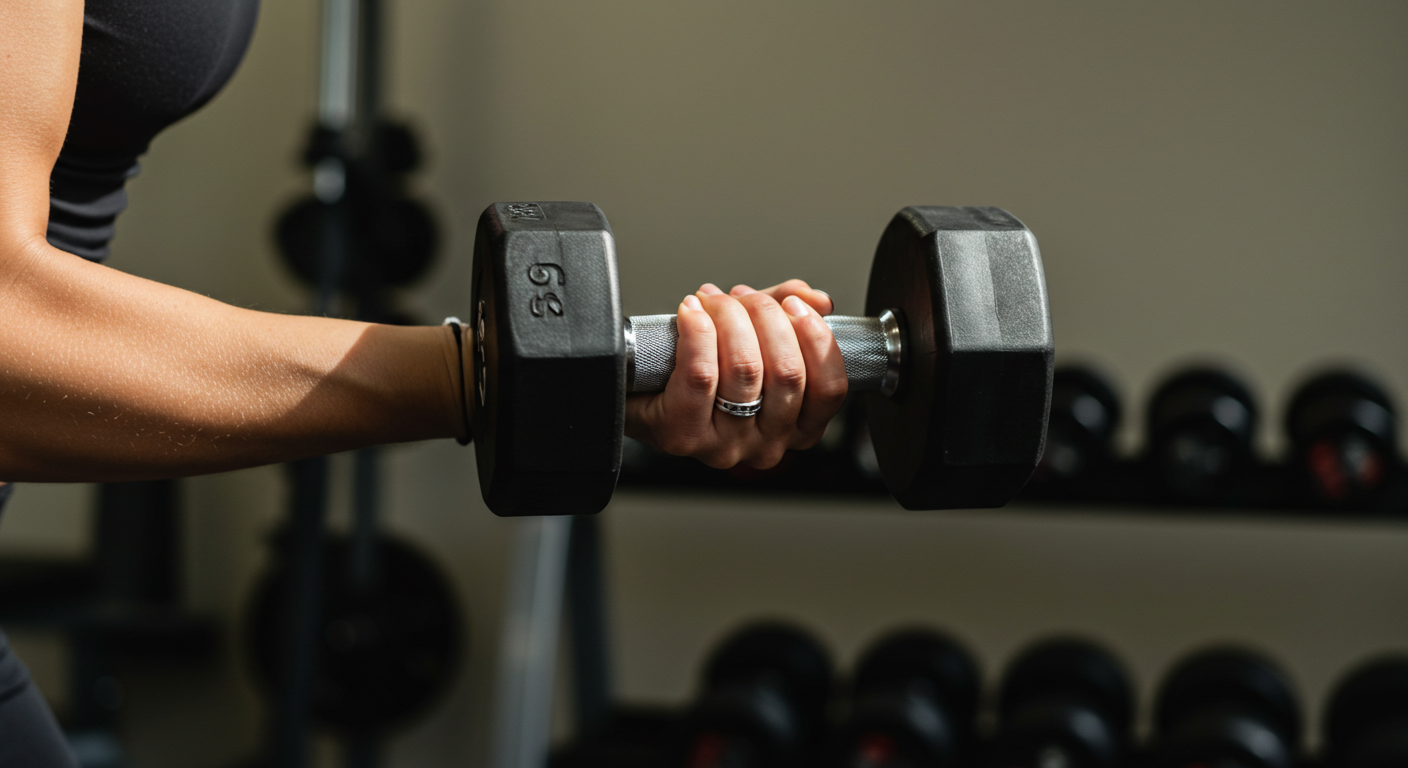
Introduction: Why Strength Training is Crucial for Health, Wellness, Diet and Fitness
Have you hit a plateau with cardio or dieting? If you’re looking for a more effective, sustainable way to shed pounds and build a strong, lean physique, strength training might be your missing link. In today’s world of health, wellness, diet and fitness, it’s not just about losing weight—it’s about improving body composition, enhancing metabolism, and building functional strength.
What is Strength Training?
Strength training, often called resistance training, involves exercises that make your muscles work against a force. While this can include free weights, machines, resistance bands, or even body weight, the goal is always to build muscle and increase endurance.
Key Components:
- Resistance: Using weights or body weight to challenge muscles
- Repetitions and Sets: Structure of exercises (e.g., 3 sets of 10 reps)
- Progressive Overload: Gradually increasing resistance to boost strength
- Rest and Recovery: Crucial for muscle repair and growth
Why Strength Training Helps with Weight Loss
Many assume cardio is the best route to weight loss. However, research shows that strength training is equally—if not more—effective. For instance, a study published in Obesity found that resistance training helps preserve lean muscle mass while reducing fat.
Key Benefits:
- Increased Basal Metabolic Rate (BMR): More muscle means more calories burned at rest
- Enhanced Insulin Sensitivity: Improves how the body uses carbs
- Long-Term Fat Loss: Maintains muscle, which supports ongoing weight control
- Improved Body Composition: More lean mass, less fat
Getting Started: Beginner-Friendly Strategies
So, how can you ease into strength training without feeling overwhelmed? Here are some accessible steps for beginners:
1. Start with Bodyweight Exercises
Bodyweight movements are ideal for learning proper form and reducing injury risk. Begin with:
- Squats
- Lunges
- Push-ups (on knees if needed)
- Planks
- Glute bridges
These exercises build a foundation and require no equipment.
2. Learn the Basics of Form
Proper form prevents injury and ensures maximum benefit. Consider watching videos from certified trainers or using mirrors to self-check. Even better, hiring a coach for a few sessions can dramatically speed up your learning curve.
3. Use Resistance Bands or Light Dumbbells
Once you’re confident with bodyweight exercises, add light resistance. Resistance bands are affordable and effective for beginners. Light dumbbells (5–15 lbs) can also help increase intensity without overwhelming you.
4. Follow a Structured Plan
Rather than randomly picking exercises, follow a beginner program. For example:
- Day 1: Upper body (push/pull)
- Day 2: Lower body (squats, lunges)
- Day 3: Core + Full Body (planks, burpees, kettlebell swings)
This rotation allows for muscle recovery while promoting consistent progress.
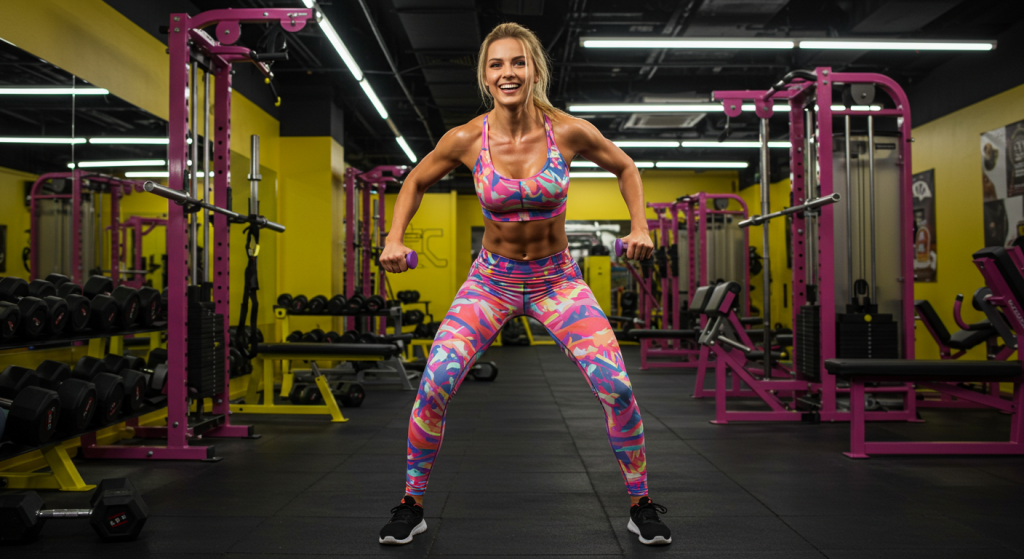
Myths Debunked: Strength Training for Weight Loss
Myth #1: “Lifting makes you bulky”
Reality: Women and men alike benefit from lean muscle, not bulk. It takes specific training and high-calorie diets to build bulk.
Myth #2: “Cardio burns more fat”
Reality: Strength training increases long-term fat burn due to elevated metabolism. When combined with cardio, it creates a powerful fat-loss strategy.
Myth #3: “You need a gym”
Reality: Many strength workouts can be done at home with minimal equipment or just body weight. Therefore, lack of access isn’t a valid excuse.
Sample Weekly Strength Training Plan
Here’s a beginner-friendly schedule you can follow:
| Day | Focus Area | Sample Exercises |
|---|---|---|
| Monday | Full Body | Squats, Push-ups, Planks |
| Wednesday | Lower Body | Lunges, Glute Bridges, Wall Sits |
| Friday | Upper Body + Core | Dumbbell Rows, Shoulder Press, Crunches |
This plan allows for recovery days and balanced training across muscle groups.
Tracking Progress Without the Scale
As with clean eating, progress in strength training isn’t just about weight. Instead, look at:
- Strength improvements: Can you lift heavier?
- Endurance: Can you do more reps?
- Energy levels: Do you feel stronger and more awake?
- Clothes fit: Are they looser?
- Mood and confidence: Are you feeling better overall?
Additionally, apps like Strong or Fitbod make it easy to track workouts and progress.
Real-Life Inspiration: Mark’s Journey
Mark, 42, had never lifted weights before starting his fitness journey.
“I used to run daily but wasn’t losing belly fat. A friend recommended strength training. I started slow—three days a week with dumbbells. Six months in, I’ve lost 18 pounds and built visible muscle. Best of all, I feel stronger than I did in my 30s.”
Mark’s experience shows that even small, consistent steps can lead to significant transformation.
Final Thoughts: Build Strength, Burn Fat, Stay Committed
Strength training is a cornerstone of any comprehensive health, wellness, diet and fitness plan. Unlike quick-fix cardio routines or crash diets, lifting builds a foundation that supports sustainable fat loss, improved confidence, and long-term health.
Key Takeaways:
- Start simple with bodyweight and light weights
- Focus on form and progression
- Combine with clean eating and rest for optimal results
- Track strength, energy, and endurance—not just weight
- Be consistent—change takes time, but it’s worth it
Take the First Step Today
Ready to get started? Grab a mat, choose two bodyweight exercises, and commit to just 15 minutes.
Strength isn’t just physical—it’s a lifestyle. Build it one rep at a time.
Author
Dr. Thabo Mokoenana, MBChB, FCP (SA)
Specialist Physician (Internal Medicine)
Dr. Thabo Mokoenana is a South African specialist physician with over 9 years of clinical experience in internal medicine, hypertension management, and cardiovascular risk reduction. He obtained his MBChB from the University of Pretoria and completed his Fellowship of the College of Physicians of South Africa (FCP SA). His clinical work focuses on evidence-based management of chronic diseases including hypertension, diabetes, and metabolic syndrome.
Member, Colleges of Medicine of South Africa (CMSA)
Registered with the Health Professions Council of South Africa (HPCSA)
Medical Reviewer
Dr. James Peterson, MD, FACC
Medical Disclaimer
The content on Healthlism.com is for educational purposes only and does not replace professional medical diagnosis, treatment, or advice. Always consult a licensed healthcare provider