
In a world brimming with health trends and dietary fads, one approach has consistently captured attention for its simplicity and potential benefits: intermittent fasting (IF). From celebrity endorsements to scientific studies, IF has permeated discussions about weight management, metabolic health, and even longevity. But amidst the buzz, a crucial question often gets overlooked: Is intermittent fasting truly a one-size-fits-all solution? Or, more precisely, is intermittent fasting right for your body type and goals?
As a seasoned mentor and experienced professional in the health and wellness space, I’ve learned a key lesson that I believe is paramount for anyone considering dietary changes: personalization is not just a buzzword; it’s the bedrock of sustainable success. What works wonders for one individual might be counterproductive for another. This principle holds especially true for intermittent fasting.
This comprehensive guide aims to cut through the noise, offering clear, insightful, and practical guidance on how to approach intermittent fasting not as a rigid diet, but as a flexible tool that can be adapted to your unique physiological makeup and health aspirations. We will delve into the science, explore various methods, and, most importantly, help you understand how to tailor IF to your specific body type and objectives, ensuring that your journey towards better health is both effective and sustainable.
The Science of Intermittent Fasting: A Balanced View
Intermittent fasting is less of a diet and more of an eating pattern. It doesn’t dictate what you eat, but rather when you eat. By cycling between periods of eating and voluntary fasting, IF can trigger a variety of metabolic changes in the body. The core idea is to give your body a prolonged break from digestion, allowing it to focus on cellular repair and other essential processes.
What is Intermittent Fasting?
At its heart, intermittent fasting is about creating a consistent fasting window each day or week. During the fasting period, you consume no calories, though water, black coffee, and tea are generally permitted. The eating window is the designated time frame in which you consume all of your daily calories. This approach can lead to a natural reduction in overall calorie intake, which is a primary driver of weight loss. However, the benefits of IF may extend beyond simple calorie restriction.
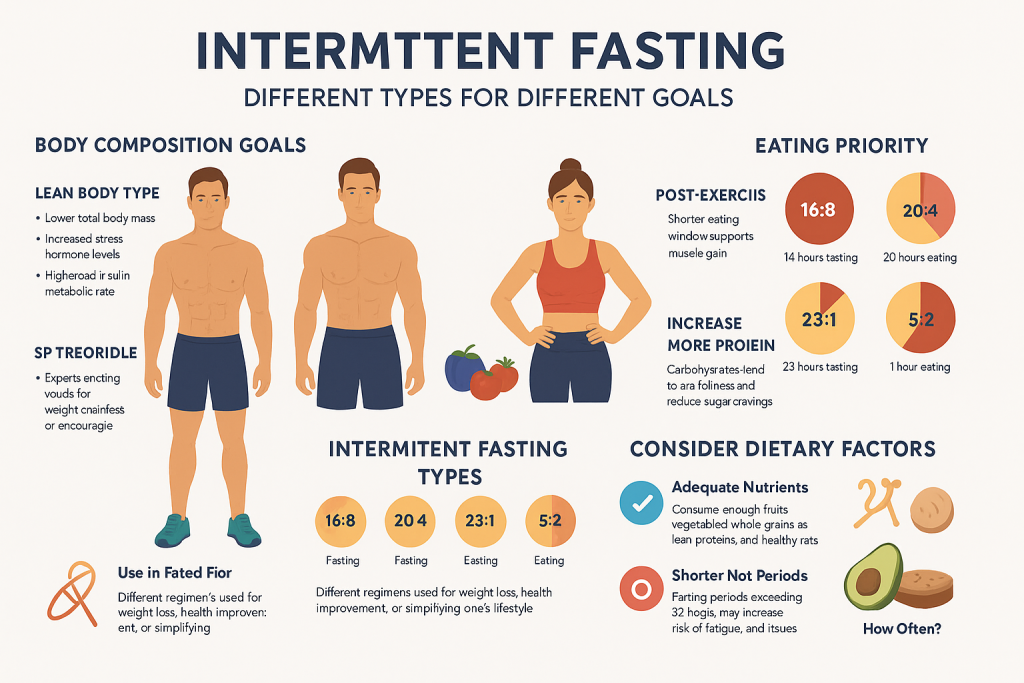
Here are some of the most popular intermittent fasting methods:
| Method | Description | Best For |
|---|---|---|
| 16/8 Method | Fast for 16 hours and eat within an 8-hour window each day. This is the most common and often most sustainable approach. | Beginners, those seeking a flexible routine, and individuals looking to build a consistent habit. |
| 14/10 Method | A slightly more lenient version of the 16/8 method, with a 14-hour fast and a 10-hour eating window. | Individuals who find the 16/8 method too restrictive, or those who are new to fasting. |
| 5:2 Method | Eat normally for five days a week and restrict calorie intake to 500-600 calories on two non-consecutive days. | Individuals who prefer a less frequent but more intense fasting schedule. |
| Alternate-Day Fasting (ADF) | Alternate between days of normal eating and days of complete or significant calorie restriction (e.g., 25% of normal calorie intake). | Those looking for more aggressive weight loss, but it can be challenging to maintain long-term. |
| Eat-Stop-Eat | Involves a 24-hour fast once or twice a week. | Experienced fasters who are comfortable with longer periods of no food intake. |
The Potential Benefits: What the Research Says
Numerous studies have explored the effects of intermittent fasting on the body, with many highlighting its potential benefits for weight management and metabolic health. Research has shown that IF can be as effective as traditional calorie-restricted diets for weight loss, with some studies suggesting it may be easier to adhere to over time.
Beyond weight loss, intermittent fasting has been linked to several other health benefits, including:
- Improved Insulin Sensitivity: By giving your body a break from constant glucose intake, IF can help improve insulin sensitivity, which is a key factor in preventing type 2 diabetes.
- Enhanced Cellular Repair: During fasting periods, the body initiates a cellular clean-up process called autophagy, where it removes old and damaged cells, potentially contributing to longevity and disease prevention.
- Heart Health: Some studies suggest that IF can improve various cardiovascular risk factors, including blood pressure, cholesterol levels, and triglycerides.
- Brain Health: Emerging research indicates that IF may have neuroprotective effects, potentially reducing the risk of neurodegenerative diseases like Alzheimer’s and Parkinson’s.
A Word of Caution: Emerging Research and Risks
While the potential benefits of intermittent fasting are promising, it’s crucial to approach it with a balanced perspective. Recent research has raised some concerns about the long-term effects of certain IF protocols. For instance, a 2024 study presented at an American Heart Association conference suggested a potential link between 8-hour time-restricted eating and a higher risk of cardiovascular death. However, it’s important to note that this was an observational study, and more rigorous, long-term research is needed to establish a causal relationship.
Furthermore, intermittent fasting is not suitable for everyone. Individuals who should avoid or exercise caution with IF include:
- Pregnant or breastfeeding women
- Individuals with a history of eating disorders
- People with type 1 diabetes or those on certain medications
- Individuals who are underweight or have a history of nutrient deficiencies
As with any significant dietary change, it’s essential to consult with a healthcare professional before starting intermittent fasting to ensure it’s a safe and appropriate choice for your individual health needs.
Finding Your Fit: Intermittent Fasting for Your Body Type
One of the most powerful ways to personalize your intermittent fasting journey is to consider your unique body type, or somatotype. While these categories are not absolute, they can provide a helpful framework for understanding your body’s natural tendencies and how it might respond to different fasting protocols.

Understanding Body Types: Ectomorph, Mesomorph, and Endomorph
In the 1940s, psychologist William Sheldon introduced the concept of somatotypes, categorizing bodies into three main types:
- Ectomorphs: Typically long and lean, with a fast metabolism and a lower body fat percentage. They often find it challenging to gain weight or muscle.
- Mesomorphs: Naturally athletic and muscular, with a moderate metabolism. They tend to build muscle and lose fat with relative ease.
- Endomorphs: Characterized by a softer, rounder physique and a slower metabolism. They often have a higher body fat percentage and may find it more difficult to lose weight.
Tailoring Your Fasting Window
By understanding your body type, you can choose an intermittent fasting approach that aligns with your natural metabolism and supports your health goals. Here’s a breakdown of how to tailor your fasting window to your somatotype:
| Body Type | Recommended Fasting Window | Key Considerations |
|---|---|---|
| Ectomorph | 12-14 hours | Focus on nutrient-dense foods during your eating window to ensure you’re getting enough calories to support your energy levels and prevent muscle loss. |
| Mesomorph | 16-18 hours | The classic 16/8 method is often a great fit. You can adjust the window based on your training schedule and how your body responds. |
| Endomorph | 18+ hours | Longer fasting windows can be particularly beneficial for improving insulin sensitivity and promoting fat loss. |
It’s important to remember that these are just starting points. The best intermittent fasting schedule for you is the one that you can stick with consistently and that makes you feel your best. Don’t be afraid to experiment and find what works for you.
Beyond Body Type: Aligning Intermittent Fasting with Your Goals
While body type can offer valuable insights, your specific health and fitness goals are equally crucial in shaping your intermittent fasting strategy. IF is a versatile tool that can be leveraged for various objectives, from shedding pounds to optimizing metabolic health.
Weight Loss
For many, weight loss is the primary motivation for trying intermittent fasting. By compressing your eating window, IF naturally leads to a reduction in overall calorie intake, as there’s less time to consume food. This calorie deficit, when sustained, results in weight loss. Furthermore, during fasting periods, your body shifts from burning carbohydrates for energy to burning stored fat, a process known as metabolic switching. This can be particularly effective for reducing stubborn body fat.
Muscle Gain
Contrary to popular belief, intermittent fasting can be compatible with muscle gain, though it requires a more strategic approach. The key is to ensure adequate protein intake during your eating window to support muscle protein synthesis. Some athletes find that training in a fasted state and then consuming their meals post-workout can optimize nutrient partitioning and recovery. The 16/8 method is often favored here, allowing for sufficient time to consume necessary calories and macronutrients.
Metabolic Health
Intermittent fasting has shown significant promise in improving various markers of metabolic health. By reducing the frequency of insulin spikes, IF can enhance insulin sensitivity, which is vital for blood sugar control and reducing the risk of type 2 diabetes. It can also lead to reductions in blood pressure, triglycerides, and LDL (bad) cholesterol, all of which contribute to better cardiovascular health.
Longevity and Cellular Repair
Beyond immediate health benefits, research suggests that intermittent fasting may play a role in promoting longevity. The process of autophagy, mentioned earlier, is a critical mechanism for cellular renewal and repair. By clearing out damaged cellular components, autophagy contributes to cellular health and resilience, potentially slowing down the aging process and protecting against chronic diseases. While human research is still evolving, animal studies have shown promising links between fasting and extended lifespan.
Practical Tips for Success
Embarking on an intermittent fasting journey can be a rewarding experience, but like any new habit, it comes with a learning curve. Here are some practical tips to help you navigate the process smoothly and maximize your chances of success:
Starting Slow
If you’re new to intermittent fasting, don’t jump straight into a 24-hour fast. Begin with a shorter fasting window, such as the 12/12 method (12 hours fasting, 12 hours eating), and gradually extend it as your body adapts. This allows your digestive system and metabolism to adjust without overwhelming your body.
Staying Hydrated
During your fasting window, it’s crucial to stay well-hydrated. Water, black coffee, and unsweetened tea are your best friends. These beverages can help curb hunger pangs and keep you feeling energized. Avoid sugary drinks, as they will break your fast.
Breaking Your Fast Wisely
When your eating window opens, resist the urge to overeat or indulge in unhealthy foods. Breaking your fast with nutrient-dense, whole foods is essential for sustained energy and satiety. Prioritize lean proteins, healthy fats, and complex carbohydrates. A sudden influx of processed foods or excessive sugar can lead to digestive discomfort and negate some of the benefits of your fast.
Listening to Your Body
This is perhaps the most critical tip. Intermittent fasting is not about rigid adherence to a schedule if it makes you feel unwell. Pay attention to your body’s signals. If you experience excessive fatigue, dizziness, irritability, or other adverse effects, it might be a sign that your current fasting protocol isn’t right for you. Adjust your fasting window, consider a different method, or consult with a healthcare professional.
Prioritize Sleep and Stress Management
Adequate sleep and effective stress management are vital for overall health and can significantly impact your intermittent fasting journey. Lack of sleep and high stress levels can disrupt hormones that regulate hunger and satiety, making fasting more challenging and potentially counteracting its benefits. Aim for 7-9 hours of quality sleep per night and incorporate stress-reducing activities into your routine.
Be Patient and Consistent
Results from intermittent fasting don’t happen overnight. Consistency is key. It may take a few weeks for your body to fully adapt to the new eating pattern. Be patient with yourself, celebrate small victories, and remember that occasional deviations are part of the journey. The goal is long-term sustainable health, not short-term perfection.
Conclusion
Intermittent fasting, when approached thoughtfully and tailored to your individual needs, can be a powerful tool in your health and wellness arsenal. It’s not a magic bullet, nor is it a universal panacea. Instead, it’s a flexible eating pattern that, when aligned with your body type, health goals, and lifestyle, can contribute to weight management, improved metabolic health, and enhanced cellular well-being.
The journey to optimal health is deeply personal. By understanding the science, exploring various methods, and, most importantly, listening to your body, you can harness the potential of intermittent fasting to create a sustainable and effective path towards your health aspirations. Remember, the goal is not just to fast, but to thrive.
Author
Dr. Thabo Mokoenana, MBChB, FCP (SA)
Specialist Physician (Internal Medicine)
Dr. Thabo Mokoenana is a South African specialist physician with over 9 years of clinical experience in internal medicine, hypertension management, and cardiovascular risk reduction. He obtained his MBChB from the University of Pretoria and completed his Fellowship of the College of Physicians of South Africa (FCP SA). His clinical work focuses on evidence-based management of chronic diseases including hypertension, diabetes, and metabolic syndrome.
Member, Colleges of Medicine of South Africa (CMSA)
Registered with the Health Professions Council of South Africa (HPCSA)
Medical Reviewer
Dr. James Peterson, MD, FACC
Medical Disclaimer
The content on Healthlism.com is for educational purposes only and does not replace professional medical diagnosis, treatment, or advice. Always consult a licensed healthcare provider