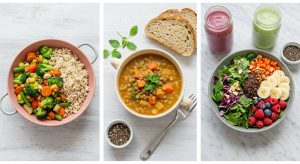
Introduction: Empowering Your Health, Wellness, Diet and Fitness Journey
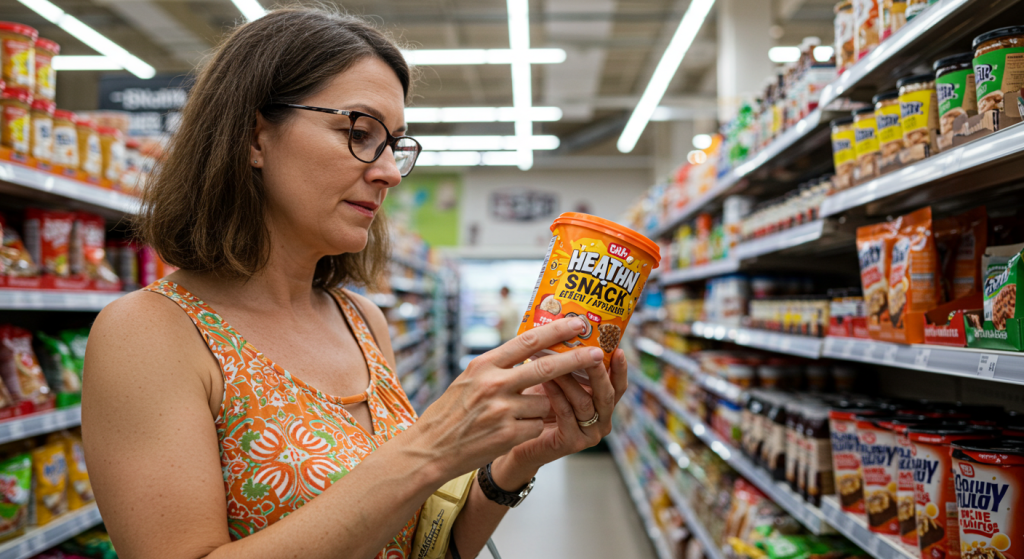
Ever stood in a grocery aisle, squinting at a nutrition label and wondering what it really means? You’re not alone. In the world of health, wellness, diet and fitness, nutrition labels are your roadmap to making informed, impactful decisions. Understanding how to read them is an essential skill—one that shields you from deceptive marketing and hidden health saboteurs.
By mastering this overlooked skill, you’ll not only eat smarter but also improve your overall wellness and stay aligned with your fitness goals. Let’s decode the label line by line and uncover what manufacturers often try to hide.
The Anatomy of a Nutrition Label: A Section-by-Section Breakdown
Before diving into tricks and pitfalls, it’s critical to understand the structure of a standard nutrition label. The FDA mandates a consistent format in the U.S., typically including:
- Serving size
- Calories
- Macronutrients (fat, carbs, protein)
- Micronutrients (vitamins and minerals)
- Daily Value %
- Ingredient list
Let’s explore each part in detail.
Serving Size: Where Misinterpretation Begins
Why It Matters:
Manufacturers often manipulate serving sizes to make foods appear healthier. A sugary cereal may list “⅔ cup” as a serving, even though most people pour double that amount. Always check:
- Servings per container: Is that snack really just one serving?
- Realistic consumption: How much would you actually eat in one sitting?
🧠 Pro Tip: Multiply the nutrition facts by the number of servings you actually consume.
Calories: Quantity vs. Quality
While counting calories has its place, not all calories are created equal. A 200-calorie soda and a 200-calorie bowl of lentils affect your body differently.
Look Beyond the Number:
- Empty calories: These provide energy but no nutrients (e.g., refined sugar, alcohol)
- Nutrient-dense calories: Offer fiber, protein, or healthy fats (e.g., avocado, nuts, legumes)
Fats: Good vs. Bad
Not all fats are bad. In fact, your body needs them for hormone regulation and cell health. But some fats are dangerously misleading.
Types of Fats:
| Type | Good/Bad | Sources | Why It Matters |
|---|---|---|---|
| Trans Fat | ❌ Bad | Processed foods, margarine | Increases LDL, lowers HDL, heart risk |
| Saturated Fat | ⚠️ Moderate | Red meat, dairy, coconut oil | Controversial—limit in excess |
| Monounsaturated | ✅ Good | Olive oil, avocado, nuts | Heart-healthy, anti-inflammatory |
| Polyunsaturated | ✅ Good | Fatty fish, flaxseeds | Essential fatty acids (omega-3 & 6) |
🚫 Watch Out: “0g Trans Fat” may still contain up to 0.5g per serving. Scan the ingredient list for “partially hydrogenated oils.”
Carbohydrates: The Truth Behind the Numbers
Total carbohydrates are further broken down into dietary fiber and sugars. This section can be misleading if not scrutinized properly.
Key Terms:
- Total Carbohydrates: Includes fiber, sugars, and starches
- Dietary Fiber: Slows digestion, aids satiety—aim for 25–35g/day
- Total Sugars: Includes both natural and added sugars
- Added Sugars: Watch for this—linked to obesity, diabetes, and inflammation
🍭 Red Flag: If added sugars make up a large portion of total carbs, it’s a red flag. Choose foods where fiber outweighs sugar.
Protein: Satiety and Muscle Support
Protein supports metabolism, helps with weight loss, and repairs tissue. However, not all protein sources are created equal.
What to Consider:
- Source: Is it from whole foods (e.g., beans, eggs) or additives?
- Quality: Complete proteins contain all 9 essential amino acids
- Context: Is the protein paired with healthy or harmful ingredients?
🥩 Pro Tip: For fitness goals, aim for 0.8–1.2g of protein per pound of lean body mass.
Sodium: The Silent Saboteur
Too much sodium can elevate blood pressure and strain the kidneys. The recommended daily limit is 2,300 mg—but many processed foods exceed this easily.
Sneaky Sources:
- Frozen dinners
- Condiments and sauces
- Bread and rolls
- Canned soups
💡 Tip: Look for products with under 200 mg of sodium per serving.
Micronutrients: What’s Missing May Matter More
Many labels now include Vitamin D, calcium, iron, and potassium. These are nutrients Americans often lack.
What to Look For:
- Iron: Supports oxygen transport
- Calcium: Strengthens bones and teeth
- Potassium: Regulates muscle and nerve function
- Vitamin D: Boosts immunity and bone health
⚠️ Low Daily Value? Supplement or adjust your diet accordingly.
% Daily Value (%DV): Useful, But With Caveats
This figure helps contextualize nutrient content based on a 2,000-calorie diet. However, your needs may differ.
Use it Wisely:
- 5% DV or less = Low
- 20% DV or more = High
- Adjust based on your caloric and nutritional needs
📉 Watch Out: Just because a product meets DV doesn’t mean it’s balanced. Always view the whole picture.
Ingredients List: The Real Truth Hides Here
Arguably the most important part of the label. Ingredients are listed in descending order by weight.
Decoding Tips:
- First 3 ingredients reveal the bulk of the product
- Avoid: High-fructose corn syrup, artificial dyes, hydrogenated oils
- Look for: Whole grains, recognizable ingredients, minimal processing
🧪 Hidden Dangers: Ingredients like “natural flavors” and “caramel coloring” may sound harmless but could include chemical additives.
Common Label Traps and Marketing Tricks
Misleading Claims to Watch:
| Claim | What It May Mean |
| “All Natural” | No legal definition—could still contain chemicals |
| “Sugar-Free” | May include artificial sweeteners |
| “Low Fat” | Often higher in sugar or carbs to compensate |
| “Gluten-Free” | Doesn’t mean healthy—can still be ultra-processed |
| “Made with Whole Grains” | Might only contain a small percentage |
❗ Pro Tip: Always verify claims by cross-referencing the ingredients and nutrition facts.
Real-World Examples: Decoding Labels Side-by-Side
Let’s compare two popular granola bars:
| Metric | Brand A (Natural) | Brand B (Processed) |
| Calories | 180 | 220 |
| Added Sugars | 3g | 14g |
| Fiber | 5g | 2g |
| Protein | 7g | 2g |
| First Ingredient | Rolled oats | Corn syrup |
| Contains trans fat? | No | Yes (hidden via hydrogenated oil) |
✅ Verdict: Brand A supports better health outcomes based on nutrient density and ingredient quality.
Tools and Apps to Help You Evaluate Products
Use digital tools to make scanning easier:
- Yuka: Barcode scanner with product scoring
- Fooducate: Grades food A–D based on nutrition
- EWG’s Food Scores: Offers safety, nutrition, and ingredient transparency
Final Thoughts: Elevate Your Health With Smarter Choices
Learning how to read nutrition labels isn’t about perfection—it’s about awareness. Every smart decision adds up in your journey toward optimal health, wellness, diet and fitness.
Summary:
- Understand serving sizes to avoid underestimating intake
- Focus on whole foods over calories alone
- Choose healthy fats and minimize trans fats
- Prioritize fiber, protein, and micronutrient-rich options
- Always verify marketing claims by reading the ingredient list
Call to Action: Take Control of Your Cart
Next time you’re grocery shopping, take an extra minute to decode the label.
What’s in your food matters—start reading like your health depends on it. Because it does.
Author
Dr. Thabo Mokoenana, MBChB, FCP (SA)
Specialist Physician (Internal Medicine)
Dr. Thabo Mokoenana is a South African specialist physician with over 9 years of clinical experience in internal medicine, hypertension management, and cardiovascular risk reduction. He obtained his MBChB from the University of Pretoria and completed his Fellowship of the College of Physicians of South Africa (FCP SA). His clinical work focuses on evidence-based management of chronic diseases including hypertension, diabetes, and metabolic syndrome.
Member, Colleges of Medicine of South Africa (CMSA)
Registered with the Health Professions Council of South Africa (HPCSA)
Medical Reviewer
Dr. James Peterson, MD, FACC
Medical Disclaimer
The content on Healthlism.com is for educational purposes only and does not replace professional medical diagnosis, treatment, or advice. Always consult a licensed healthcare provider