Improve Gut Health Naturally
Improving gut health (or “digestive wellness”) is not just a fad, it’s a foundation for feeling your best. As someone who has spent years mentoring others on nutrition and wellness, I’ve learned that a healthy gut literally underpins overall vitality. In this guide, I’ll share evidence-based steps to nurture your gut microbiome, and the key lesson from my career: consistent, everyday habits matter more than quick fixes.
Understanding Your Gut Microbiome
Your gastrointestinal tract is home to trillions of microorganisms (bacteria, yeasts, etc.) collectively known as the gut microbiome. Many of these bugs are beneficial, they help digest food, produce nutrients, and train your immune system. A diverse mix of gut bacteria is crucial: Harvard Health explains that a rich microbiome supports immunity and reduces inflammation, influencing everything from mood to metabolism. By contrast, imbalances (dysbiosis) often show up as IBS, gas, bloating or constipation.
The good news is you can influence this ecosystem. In practice, boosting gut health means adding beneficial bacteria (probiotics) and feeding them with nutritious foods (prebiotics). Harvard researchers note that diets high in fiber and fermented foods foster a healthy microbiome. In other words, what you eat can literally help the “good bugs” thrive.
The Foundation: Diet and Fiber
Eat the Rainbow: Fiber and Variety
One of the biggest lessons I’ve learned is that diversity is strength — both in life and on your plate. Aim to eat a wide variety of plant-based foods. For example, nutrition science experts recommend trying to include about 30 different plant foods per week. Each type of plant (vegetables, fruits, legumes, whole grains, nuts, seeds) provides different fibers and polyphenols that feed beneficial microbes.
Fiber, in particular, is the backbone of a healthy gut. Soluble fiber (in oats, beans, fruits) forms a gel that slows digestion and nourishes gut bacteria, while insoluble fiber (in vegetables, whole grains) adds bulk and keeps you regular. Fiber isn’t digested by your body, but it is food for your microbes. Yet surveys show over 90% of people don’t get enough fiber. Johns Hopkins Medicine agrees: Americans consume only about half the recommended fiber. This means loading up on veggies, legumes, fruits, nuts and whole grains. For instance, add berries and ground flaxseed to your morning oatmeal, toss beans into your salads, and snack on an apple or carrots.
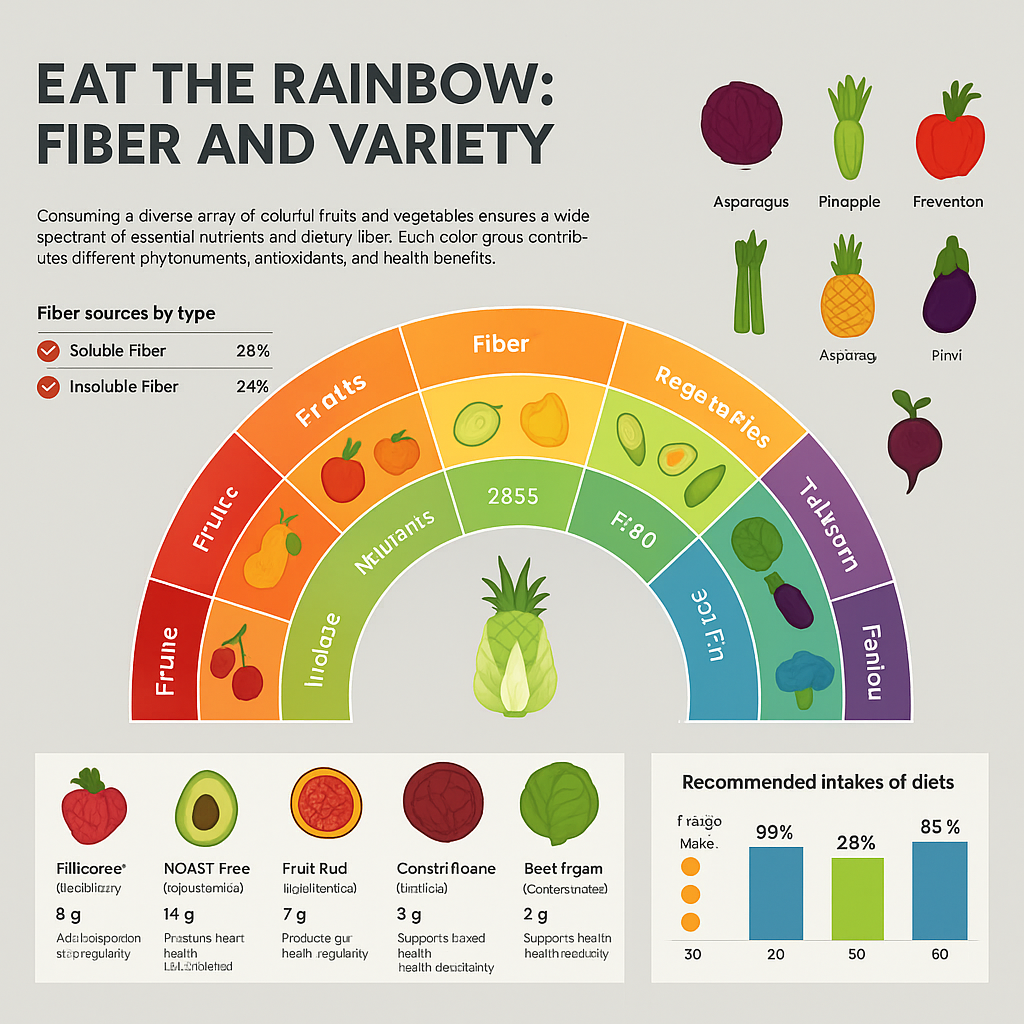
Illustration: Improve Gut Health Naturally
Importantly, don’t get hung up on exact numbers. Harvard nutritionist Eric Rimm advises focusing on adding fiber-rich plants rather than obsessively counting grams. In other words, make whole vegetables and whole grains a habit, not a chore. I often tell clients: “Focus on whole foods, not fiber pills.” These daily shifts build gut health far more sustainably than any quick fix or supplement can.
Fermented Foods & Probiotics
Another cornerstone is probiotics — the live beneficial microbes found in fermented foods. Natural sources include yogurt with live cultures, kefir, kombucha, kimchi, sauerkraut, miso, and tempeh. Regularly eating these foods introduces friendly bacteria to your gut. My personal approach is to make probiotics part of daily meals: for example, enjoying yogurt with breakfast or adding sauerkraut to a sandwich.
Fermented foods are especially powerful because they often contain both probiotics and the prebiotic fibers those bacteria like. Harvard notes that fermented staples (like yogurt and kimchi) bring probiotics plus “good bacteria food” to the table. This synergy helps the introduced bacteria survive and thrive.
Even a small daily serving can help. Think of it as nurturing a garden: sprinkle a little seeds (probiotics) and always give them fertilizer (fiber, nutrients) too. Research suggests that people who regularly consume fermented foods have more diverse gut bacteria, a hallmark of digestive wellness.
Foods vs. Supplements (Comparison)
| Approach | Examples | Benefits |
|---|---|---|
| Probiotic foods | Yogurt, kefir, kombucha, kimchi, sauerkraut, miso, tempeh | Add live beneficial microbes to the gut along with nutrients. Natural, widely available. |
| Prebiotic foods | Beans, lentils, oats, bananas, garlic, onions, asparagus | High-fiber foods that “feed” gut bacteria. Promote growth of good microbes. |
| Diverse plant diet | Fruits, vegetables, whole grains, nuts, seeds | Provides a broad range of fibers and polyphenols to support gut microbial diversity. |
| Probiotic supplements | Probiotic capsules (Lactobacillus, Bifidobacterium strains) | Convenient source of specific strains. E.g., products often contain 1–10 billion CFUs per dose. |
| Fiber supplements | Psyllium husk, inulin powder, prebiotic blends | Helps meet fiber needs if diet is low. Acts as prebiotic fiber. (Whole foods should be primary source.) |
In practice, food first is the rule. Whole foods deliver a matrix of fiber, vitamins, minerals and polyphenols that pills can’t match. Supplements can be useful “insurance” , for example, taking a multi-strain probiotic capsule (e.g. Lactobacillus and Bifidobacterium strains, ~1–10 billion CFUs) during antibiotic therapy or for chronic IBS. Cleveland Clinic suggests choosing a probiotic with at least 1 billion CFUs of well-studied strains. If using fiber supplements (like inulin or psyllium), use them to complement a high-fiber diet, not replace it.
Lifestyle for Digestive Wellness
Food provides the fuel, but lifestyle is the spark that makes it all work together. Even a great diet can be undermined by stress or sleep deprivation. Johns Hopkins experts emphasize that poor sleep and chronic stress slow digestion and disrupt the gut flora. In my practice, I often find gut issues improve when stress is managed and sleep is improved.
Sleep and Stress
Sleep: Research in animals shows that even short-term sleep loss alters gut microbes and increases inflammation. Aim for 7–9 hours of quality sleep per night. A regular sleep schedule and a relaxing bedtime routine (no screens, calm environment) support your gut by keeping hormones and digestion in sync.
Stress: The gut and brain communicate closely via nerves and hormones. Chronic stress can trigger “gut flare-ups” think heartburn or IBS symptoms. Finding ways to unwind (deep breathing, meditation, gentle yoga, or simply a walk after meals) really helps. I tell clients that reducing stress is as crucial as eating right; a calm mind gives the gut a chance to do its job. Some studies even link mindfulness practices to healthier gut microbiome markers.
Exercise and Hydration
Exercise: Regular movement promotes healthy gut motility and diversity of microbes. Even 20 – 30 minutes of walking, cycling, or yoga each day can make a difference. Active people tend to have more varied gut microbiomes. Exercise also helps maintain a healthy weight, which further supports gut function and reduces acid reflux and inflammation.
Hydration: Adequate water is simple but vital. Fluids help fiber move through your system and keep stools soft. Aim to drink water steadily throughout the day. Herbal teas (such as ginger or peppermint) can soothe digestion. Interestingly, some research shows moderate coffee intake is linked to greater gut microbial diversity, possibly due to its polyphenols. So enjoying a cup or two of coffee or tea (without excess sugar) can actually be gut-friendly.
Medications and Other Habits
Be mindful of factors that can harm gut balance. Antibiotics save lives, but they also wipe out good bacteria. Take them only when absolutely necessary, and always as prescribed. Afterwards, rebuild your gut with probiotic foods or supplements. Overuse of NSAIDs (like ibuprofen) can irritate the gut lining, so avoid chronic use. Even habits like excessive antiseptic mouthwash or hand sanitizers may reduce beneficial microbes; it’s smart to use these judiciously.
Also, limit smoking and excessive alcohol. Smoking is linked to an imbalanced gut flora and higher risk of digestive disorders. Alcohol in excess inflames the gut lining and can alter microbiota. If you drink, do so in moderation (for example, a glass of wine now and then).
Supplementing Wisely: Probiotics and More
If you choose supplements, do so thoughtfully. As mentioned, a probiotic supplement can be helpful, ideally one with multiple well-researched strains (Lactobacillus, Bifidobacterium, or the yeast Saccharomyces boulardii) and CFUs in the billions. Look for refrigeration and check the label for strains/doses. Remember, supplements aren’t FDA-regulated like drugs, so quality varies. That’s why I emphasize food sources first.
For prebiotics, supplements like inulin or fructooligosaccharide (FOS) can boost fiber intake if needed. However, start by eating natural prebiotic foods (garlic, onions, leeks, asparagus, bananas). If you do supplement, begin with a low dose to avoid gas and slowly increase.
Some people also use digestive enzymes or herbs for occasional relief. For example, peppermint oil capsules are well-supported for IBS symptoms, and ginger tea or supplements can ease nausea and bloating. These tools can complement your diet but shouldn’t replace the core strategies above.
Sample Gut-Healthy Meal Plan
Here’s a simple example of how a gut-focused day might look (adapt to your needs and tastes):
- Breakfast: Oatmeal topped with berries, sliced banana, and a spoonful of plain yogurt or kefir (for probiotics). Sprinkle with chia or flaxseeds (fiber).
- Snack: An apple or carrot sticks with almond butter (fiber and healthy fat).
- Lunch: A big salad or bowl with mixed greens, chopped vegetables (bell peppers, cucumbers, carrots), a lean protein (grilled chicken, tofu or a scoop of beans), and a tablespoon of sauerkraut or kimchi on the side. Dress with olive oil and lemon juice.
- Snack: A handful of nuts (almonds/walnuts) or a small serving of hummus and vegetable sticks.
- Dinner: Baked salmon (or lentil curry) with steamed broccoli and roasted sweet potato. Finish with a cup of warm miso soup (or probiotic-rich broth).
- Evening: A soothing herbal tea (like ginger or chamomile) before bed.
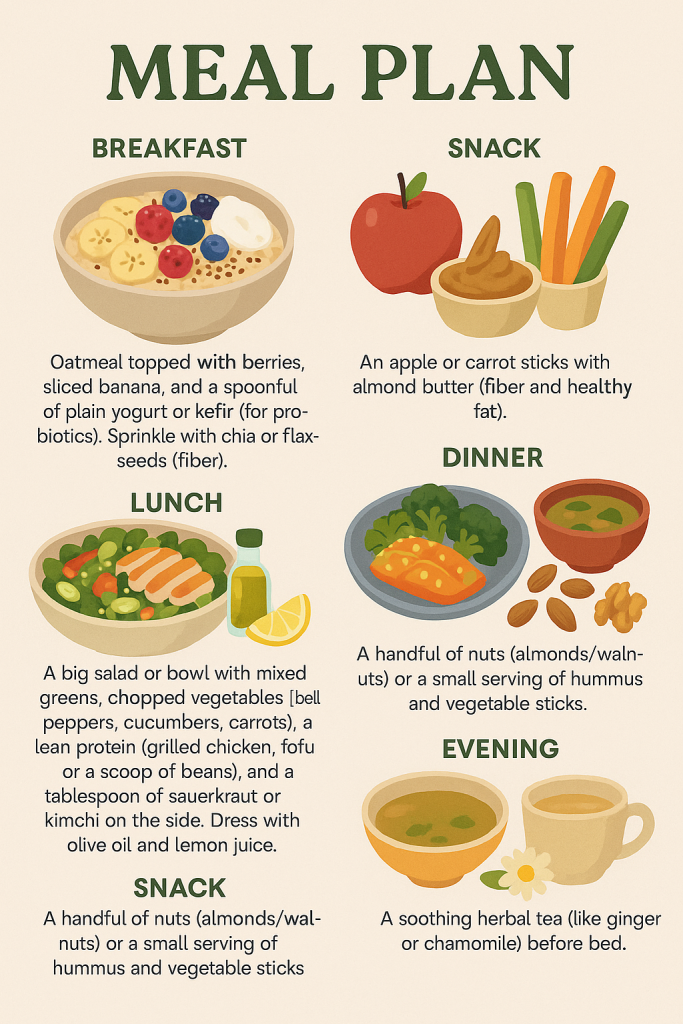
This plan delivers fiber, fermented foods, lean protein, and healthy fats. You can mix and match with similar foods you enjoy. The point is: lots of plants, whole grains, and at least one probiotic source every day.
Common Pitfalls
My role as a mentor is often to point out blind spots. Here are some mistakes to avoid:
- Relying on Supplements Alone: No pill can substitute for fiber and a healthy diet. If you depend only on probiotics capsules but still eat a poor diet, improvements will be limited.
- Too Much Added Sugar/Processed Food: Diets high in sugar and ultra-processed foods encourage “bad” bacteria and can cause dysbiosis. Even occasional treats can add up. Try to limit sweets and processed snacks.
- Skipping Meals or Eating Late: Irregular eating patterns disrupt gut rhythms. Late-night eating gives your gut less time to “rest,” which can impair the lining’s health. Aim for consistent meals and avoid heavy meals right before bed.
- Ignoring Stress: Gut issues often have a stress component. Neglecting stress management is a missed opportunity. Simple breathing exercises or a walk can help calm a queasy stomach.
- Self-Diagnosing: If you have persistent gut pain, bleeding, or extreme discomfort, seek medical advice. Conditions like celiac disease or IBD require professional care. Don’t just try random diets.
The key lesson I share is: the gut often heals gradually. I once worked with someone whose chronic bloating improved dramatically after months of simple diet changes (fiber, probiotics, hydration) and stress reduction — no expensive treatments needed. Patience and consistency won the day.
Conclusion
Digestive wellness is a marathon, not a sprint. By incorporating the strategies above, you set your gut up for success. To recap:
- Eat a plant-rich, high-fiber diet: Variety is your friend.
- Include fermented/probiotic foods daily: Even a spoonful of yogurt or sauerkraut adds friendly microbes.
- Stay active, hydrate, and manage stress: Good sleep, regular exercise, and relaxation help your microbiome thrive.
- Use supplements judiciously: If needed, choose quality probiotics and prebiotic fibers as an adjunct.
Your gut health responds to the habits you practice day in and day out. There’s no miracle overnight fix, but every small choice adds up.
If you found these insights helpful, consider subscribing to our newsletter for more research-backed wellness guides. Leave a comment with your own gut-health tips or questions – I’d love to hear about your journey. Your path to better gut health starts with the simple steps you take today.
Author
Dr. Thabo Mokoenana, MBChB, FCP (SA)
Specialist Physician (Internal Medicine)
Dr. Thabo Mokoenana is a South African specialist physician with over 9 years of clinical experience in internal medicine, hypertension management, and cardiovascular risk reduction. He obtained his MBChB from the University of Pretoria and completed his Fellowship of the College of Physicians of South Africa (FCP SA). His clinical work focuses on evidence-based management of chronic diseases including hypertension, diabetes, and metabolic syndrome.
Member, Colleges of Medicine of South Africa (CMSA)
Registered with the Health Professions Council of South Africa (HPCSA)
Medical Reviewer
Dr. James Peterson, MD, FACC
Medical Disclaimer
The content on Healthlism.com is for educational purposes only and does not replace professional medical diagnosis, treatment, or advice. Always consult a licensed healthcare provider